Reviewing the Tulips Flower Coloring Card Holder SVG for Embroidery
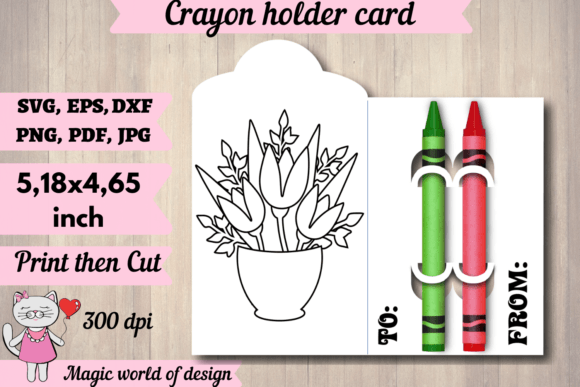
As a designer who spends half my life digitizing patterns and the other half testing them on actual fabric, I have learned to look past the glossy preview images. When I first encountered the Tulips Flower Coloring Card Holder Svg, my initial reaction was one of cautious curiosity. The product description markets it primarily as a coloring card for cutting machines like Cricut or Silhouette, intended for Mother’s Day treats or school party favors. However, in the world of Crafts and Graphics, lines are often blurred. A clean vector line art design is not just for paper; it is the foundational skeleton for many successful embroidery projects. I wanted to see if this specific floral motif could transition from a flat, printable card holder into a textured, stitched embroidery project that holds up under the needle.
First Impressions: Line Weight and Visual Personality
The immediate appeal of this design lies in its simplicity. Tulips are a classic motif, but they can easily become cluttered if the petals are too intricate. This particular SVG offers a balanced layout. The curves are smooth, suggesting a gentle, organic mood that fits well with spring-themed collections or soft, feminine branding. For an embroidery designer, the "cleanliness" of the line work is crucial. Jagged or overly complex vectors translate poorly into stitch paths. Here, the shapes appear distinct enough to be interpreted as either a simple running stitch outline or a filled shape using satin stitch borders.
The visual personality is cheerful yet understated. It does not scream for attention, which makes it versatile. It feels appropriate for a personalized gift where subtlety is valued over flashiness. When I visualize this on a tote bag design, I imagine it working best as a central focal point, perhaps accompanied by minimal text. The lack of excessive internal detail means it won’t get lost in the texture of the fabric, a common pitfall with more complex floral embroidery file options.
Real-World Application: From Paper to Fabric
To test the viability of this design, I imagined a real-life scenario: creating a limited run of canvas tote bags for a local boutique’s spring launch. The client wanted something that felt handmade but professional. Using the Tulips Flower Coloring Card Holder Svg as a reference for digitization, I considered how the shapes would fill. Because the original asset is designed for coloring, the interior spaces are open. In embroidery, this presents two paths. First, I could leave the tulips as outlines, creating a sketch-like aesthetic that is very popular in modern custom apparel. Second, I could apply a light fill stitch to give the petals body without making the design too dense.
I also considered its use on a sweatshirt embroidery project. Sweatshirts have a looped, textured surface. Heavy designs can sink into the fleece, losing definition. The relatively open nature of this tulip design suggests it would sit well on top of the fabric pile, provided the stitch density is managed correctly. It would not require the heavy underlay that a solid block design might need, making it a comfortable wear item rather than a stiff, cardboard-like patch on the chest.
Considerations for Small Hoops and Curved Surfaces
While the design is charming, it is not without its technical constraints. The product dimensions are listed as 5.18 x 4.65 inches. This is a moderate size, fitting comfortably in a standard 5x7 or 6x10 hoop. However, if you intend to scale this down for a embroidered patch or a cap, you must be careful. The stems and petal tips, while elegant in vector form, can become fragile when shrunk. On a curved surface like a baseball cap, the distortion from the curve combined with small stitch lengths can cause puckering. I would advise against using this design at less than 3 inches wide unless you are using a high-quality stabilizer and testing extensively on scrap fabric.
Furthermore, if you are adapting this from a cut-file concept to an embroidery machine, remember that bridges and connections matter. In paper cutting, islands of paper are held by the surrounding sheet. In embroidery, every element must be connected by thread. You will need to ensure your digitizing software creates proper jump stitches or connecting runs between the tulip head and the stem, otherwise, you will end up with loose threads that compromise the professionalism of the finished product.
Fabric and Thread Interactions
The success of any machine embroidery design depends heavily on the substrate. For this tulip motif, I recommend medium-weight cottons, linen, or canvas. These fabrics provide a stable grid for the stitches to anchor into. On stretchy fabrics like jersey knits, the open spaces in the design might cause the fabric to pull or distort if the hoop tension is not perfect. Using a cut-away stabilizer is non-negotiable here to maintain the shape of the flower over time.
Thread choice plays a pivotal role in the final aesthetic. Since the design is derived from a coloring card concept, it invites creativity. Instead of traditional green stems and red petals, consider monochromatic schemes. A tonal look, using varying shades of cream or pastel pink, can elevate the design from a craft project to a high-end boutique item. Contrast is key; if you are stitching on a dark fabric, ensure your thread colors pop. A white or light yellow tulip on navy blue creates a striking, classic nautical feel that appeals to a broad demographic of Etsy seller customers.
Commercial Viability and Brand Consistency
For small business owners and craft business operators, the question is always about return on investment and brand alignment. Does this design fit your niche? If your brand focuses on rustic, farmhouse, or spring-time aesthetics, this tulip SVG is a strong candidate. It conveys warmth and care, which enhances customer trust. When used in holiday embroidery campaigns, particularly for Mother’s Day or Easter, it serves as a recognizable symbol of the season without being cliché.
However, transparency regarding licensing is vital. The product is described as a SVG for cutting machines. Before selling items made from a digitized version of this graphic, you must confirm the license terms. Many digital assets for cutting do not automatically grant commercial rights for embroidered goods. Always check the specific license included with the download. Assuming you have the rights, this design can be a valuable addition to your library of design assets, offering a quick turnaround for custom orders due to its simplicity.
Practical Designer Notes for Execution
Before committing to a full production run, follow these practical steps to ensure quality:
- Test on Scrap Fabric: Always stitch out the design on the same type of fabric you intend to sell. Check for puckering or thread breaks.
- Check Stitch Density: If digitizing from the SVG, ensure the fill is not too dense. A lighter fill allows the fabric texture to show through, adding depth.
- Review Detail Level: Zoom in on the petal edges. Ensure the satin stitch width is consistent and that there are no jagged transitions.
- Mockup in Black and White: Remove color from your digital preview. If the design loses its shape in grayscale, it lacks sufficient contrast or definition.
- Confirm Hoop Size: Ensure the scaled design fits within your machine’s maximum hoop area with room for clamping.
- Inspect Licensing: Verify that the digital embroidery file or the source SVG permits commercial use for physical goods.
In conclusion, the Tulips Flower Coloring Card Holder Svg is more than just a paper craft template. With thoughtful digitization and material selection, it transforms into a versatile embroidery motif. It suits baby embroidery items, kitchen towels, and casual apparel alike. By respecting the technical limitations of the stitch process and leveraging the design’s inherent simplicity, you can create a handmade product that feels both personal and polished. It is a reminder that good design transcends the medium, whether it is cut from cardstock or stitched into cotton.