Reviewing Fourth Grade Retro School Girl Coquette
As a designer who spends more time staring at stitch maps than I do sleeping, I have learned that not every cute graphic translates well to thread. We live in an era where digital assets are abundant, but finding a machine embroidery design that balances aesthetic charm with technical viability is rare. Recently, I pulled up the Fourth Grade Retro School Girl Coquette file to evaluate it for a upcoming batch of custom orders. My goal was not just to see if it looked good on screen, but to determine if it would hold up under the needle in real-world applications.
First Impressions: Nostalgia Meets Modern Trend
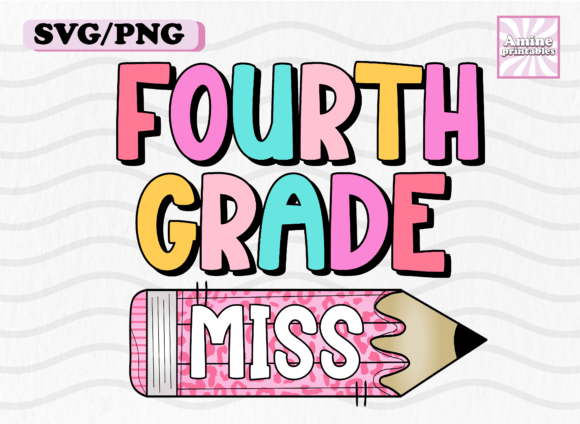
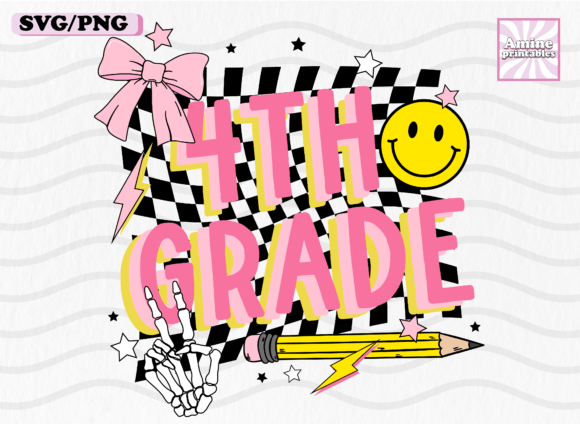
The immediate vibe of this design is playful nostalgia. It taps into the current "coquette" trend—characterized by bows, softness, and a touch of vintage femininity—while grounding it in a specific school-age context. For those of us in the Crafts and Graphics space, understanding the mood is half the battle. This design does not scream; it whispers. It feels like a memory of elementary school art class mixed with modern boutique styling.
Visually, the layout appears balanced. The elements are arranged in a way that suggests movement without being chaotic. When I zoomed in to inspect the potential stitch paths, I looked for clean lines and logical color breaks. A design like this relies heavily on its silhouette. If the shapes are too complex or the details too minute, they get lost in the fabric texture. From what I could assess, the Fourth Grade Retro School Girl Coquette maintains a clarity that is essential for small-scale embroidery.
The Real-World Test: A Custom Tote Bag Scenario
To truly judge a design, you must imagine it on a product. I envisioned using this asset for a back-to-school promotional item for a local boutique: a canvas tote bag. Canvas is a forgiving medium, but it requires a design with enough presence to stand out against the weave.
In this scenario, the design’s retro aesthetic pairs beautifully with natural fibers. I imagined stitching it onto a cream-colored cotton canvas. The key here would be thread selection. Using muted, vintage-inspired thread colors rather than neon brights would elevate the piece from a simple craft project to a high-end handmade product. The coquette elements, likely involving bows or ribbon-like motifs, would benefit from a smooth satin stitch to mimic the sheen of real ribbon, while the broader areas might utilize a fill stitch for durability.
For an Etsy seller or small shop owner, this versatility is gold. It is not just a school design; it is a lifestyle image. It could easily transition from a backpack patch to a framed nursery decor piece. The emotional connection customers feel toward "retro school" themes drives engagement, making it a strong candidate for seasonal marketing campaigns.
Technical Considerations for Embroiderers
While the aesthetic is charming, the technical execution requires attention. Here is my practical advice for anyone planning to use this embroidery file in their workflow.
- Hoop Size and Placement: Before loading the file, confirm the required hoop size. If this design is intended for smaller items like baby caps or pocket squares, ensure the dimensions fit within a 4x4 or 5x7 hoop without excessive trimming. Curved surfaces, like hats, demand lower stitch density to prevent puckering.
- Fabric Compatibility: This design likely performs best on stable fabrics. Cotton, linen, and denim are ideal. Be cautious with stretchy knits or thin silks. If you must use a lightweight fabric for a delicate personalized gift, use a cut-away stabilizer to support the stitches and prevent distortion over time.
- Detail Management: Retro designs often feature fine lines. Check the preview for any tiny text or intricate corners. If the details are too small, they may bunch up. In such cases, increasing the stitch length slightly or simplifying the underlay can improve clarity. Always test on scrap fabric first.
- Color Contrast: The success of this design depends on contrast. On dark fabrics, ensure the thread colors are light enough to pop. On light fabrics, avoid threads that blend in too much. Creating a black-and-white mockup can help you visualize the value structure before you thread the machine.
Commercial Viability and Brand Consistency
For commercial embroidery professionals, consistency is key. The Fourth Grade Retro School Girl Coquette offers a distinct visual personality that can help define a brand’s niche. If your shop specializes in whimsical, youthful, or nostalgic items, this design fits seamlessly into that narrative.
It works well across various design assets. Beyond apparel, consider its application on non-textile items if you are selling digital files. The description notes suitability for stickers, cards, and phone cases. This multi-use potential increases the value proposition for digital product sellers. You are not just selling one embroidery pattern; you are providing a versatile graphic element that can be adapted for print-on-demand services or handmade paper goods.
However, always verify licensing terms. Just because a file is suitable for multiple uses does not mean the license covers all commercial applications. Confirm whether you can sell finished physical items, digital prints, or both. Protecting your business from copyright issues is as important as choosing the right needle size.
Final Verdict: A Thoughtful Addition to Your Library
After evaluating the Fourth Grade Retro School Girl Coquette from both a creative and technical standpoint, I find it to be a promising addition to a designer’s library. It captures a specific cultural moment—the intersection of retro schooling and modern coquette aesthetics—with grace. It is not overly complex, which makes it accessible for hobbyists, yet it has enough character to satisfy professional standards for boutique products.
My recommendation is to approach this design with intentionality. Do not just stitch it out blindly. Test it on different fabrics. Experiment with thread textures, perhaps mixing matte cotton with shiny rayon for depth. Use it to create custom apparel that tells a story, whether that is a matching sibling set for the first day of school or a quirky accent on a teacher’s tote bag.
Remember, the best embroidery projects are those where the technique serves the design, not the other way around. This design invites you to play with nostalgia while maintaining a clean, professional finish. For small business owners looking to expand their back-to-school or everyday whimsical collections, this is a solid choice. Just ensure you check the specific file details—such as format compatibility and exact dimensions—before finalizing your production plan. With the right preparation, this design can become a staple in your portfolio of trusted, high-quality embroidery projects.